Kruger National Park Tours From Cape Town
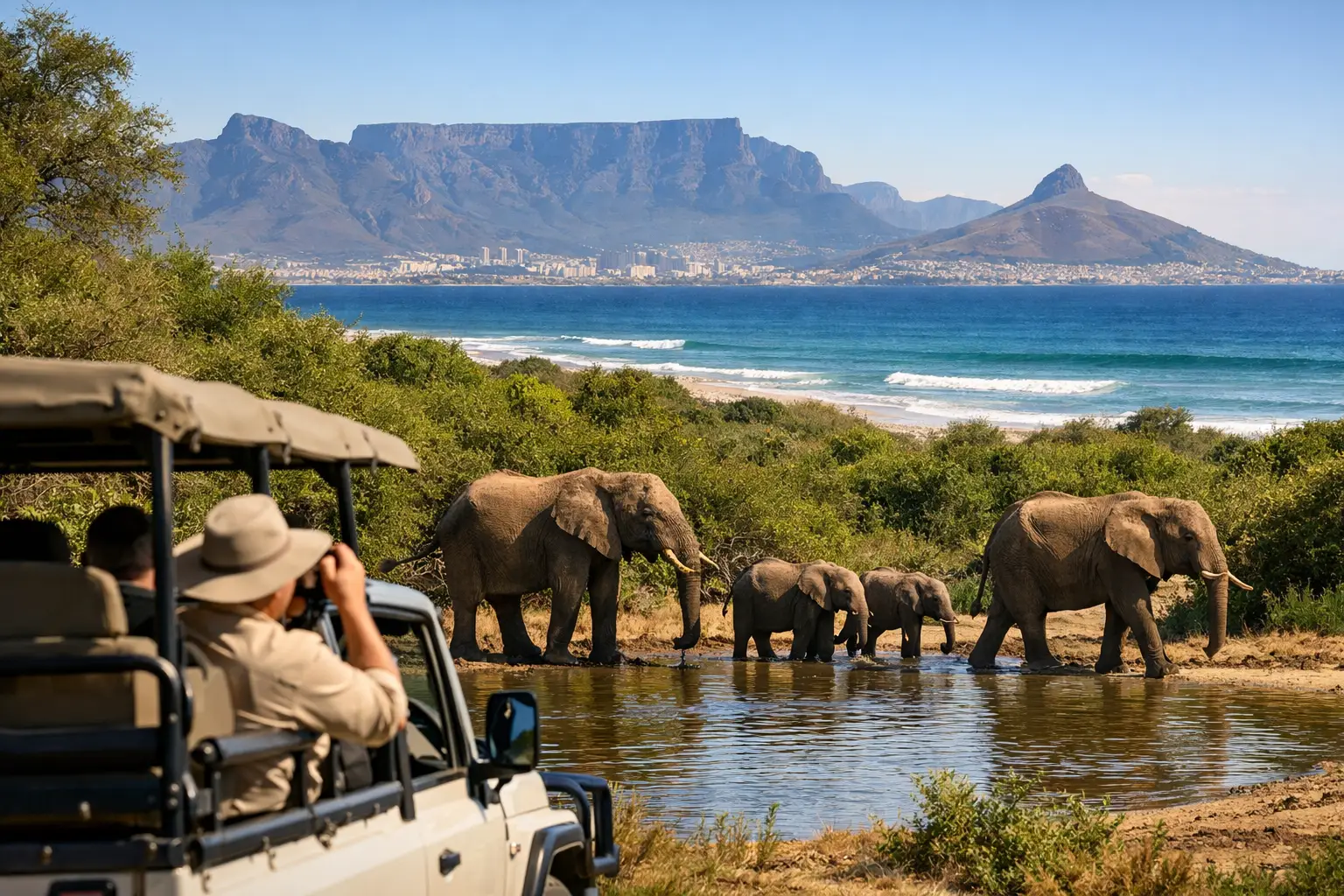
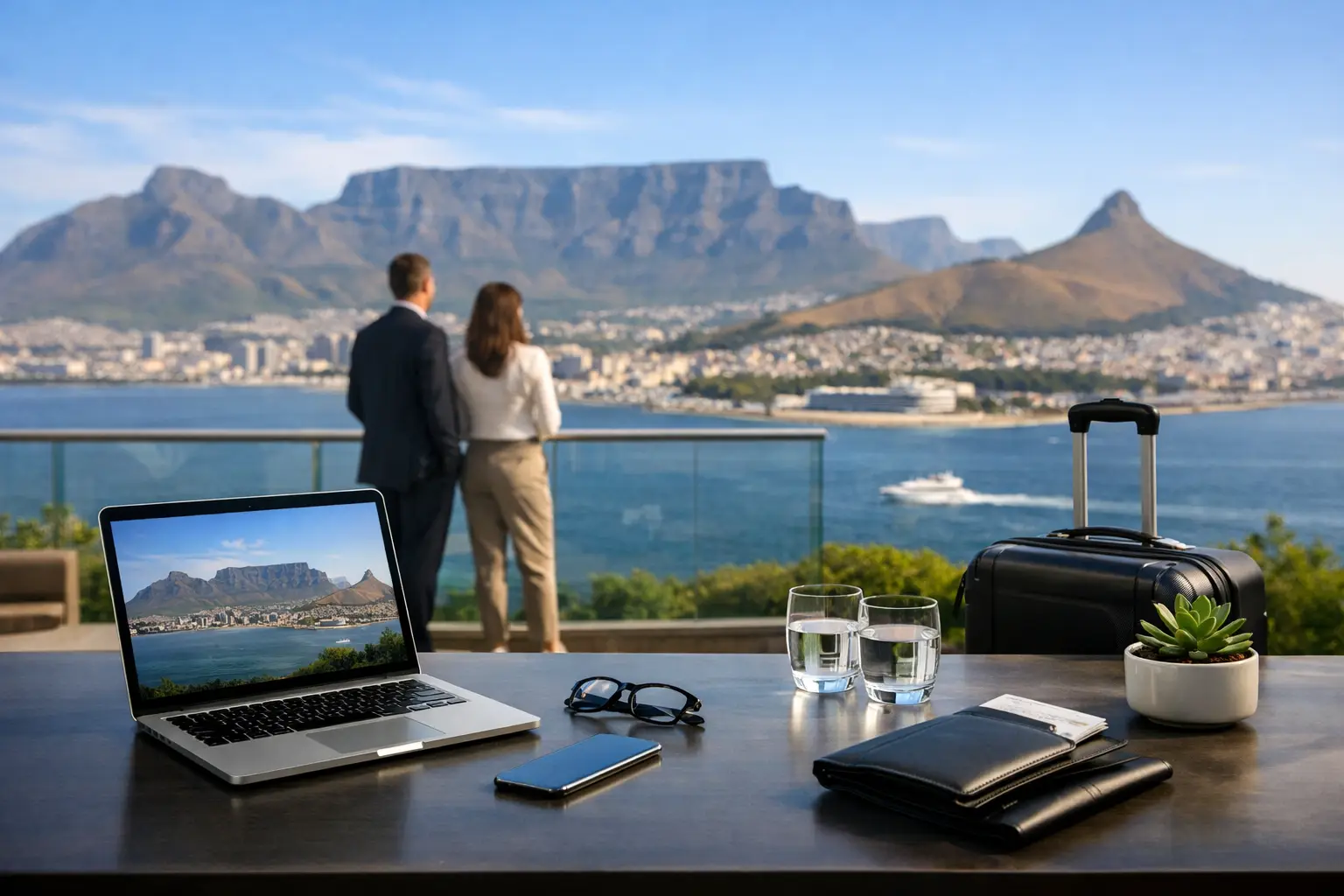
A Cape Town vacation can begin with Table Mountain, Cape Point, and the Winelands, then finish with lions calling across the bush. But Kruger National Park tours from Cape Town are not a simple day excursion. The two destinations are roughly 1,200 miles apart by road, so the right plan depends on how many days you have, whether you prefer a private lodge or a classic rest camp, and how much time you want to spend on safari rather than in transit.
For most visitors, flying is the practical choice. With the right flight, airport transfer, and safari schedule arranged in advance, adding Kruger to a Cape Town itinerary can feel well organized without trying to rush one of South Africa's most rewarding wildlife experiences.
How Kruger National Park Tours From Cape Town Work
A typical trip starts with a transfer from your Cape Town hotel to Cape Town International Airport. From there, travelers usually fly to either Hoedspruit, Kruger Mpumalanga International Airport near Nelspruit, or Johannesburg, followed by a connecting flight or road transfer.
Hoedspruit is often the most convenient arrival point for lodges in the Greater Kruger area, especially private reserves bordering the national park. Kruger Mpumalanga International Airport can work well for southern park access and lodges around Hazyview. Johannesburg offers the widest flight availability, but it usually adds a longer onward journey unless you book a domestic connection.
Once you land, a pre-arranged driver or lodge representative meets you at the airport. This matters more than many first-time visitors expect. Safari properties can be set well beyond town centers, roads may be unlit after dark, and gate-entry times are strictly managed. A planned transfer removes the pressure of renting a car, navigating unfamiliar routes, and arriving late for an afternoon game drive.
Driving all the way from Cape Town is possible, but it is best treated as a multi-day road trip rather than transport to a short safari. The route requires substantial driving time and is rarely worthwhile for travelers with only three or four nights available.
Choose the Right Safari Length
The best itinerary is usually not the shortest one. Wildlife viewing is unpredictable, and two game drives can produce completely different sightings. A leopard may be resting in a tree on one route while a herd of elephants blocks another only a few miles away.
A two-night stay gives you a useful introduction, typically with an afternoon drive on arrival day, early morning and afternoon drives the next day, then a final morning activity before departure. It can suit travelers with limited vacation time, but flights and transfers take up a meaningful portion of the trip.
Three nights is the stronger choice for most couples, families, and first-time safari travelers. It allows enough time to settle in, experience several early starts and sundowners, and avoid the feeling that every meal and game drive is tied to a departure deadline. Four nights or more is ideal for guests who want to visit two different areas, split their stay between a private reserve and Kruger National Park, or simply give themselves better odds of seeing a wide range of animals.
A practical three-night outline
On day one, fly from Cape Town in the morning, meet your transfer on arrival, check in, have lunch if timing permits, and head out on an afternoon game drive. This is often a productive time for elephants, buffalo, giraffes, and predators beginning to move as the heat eases.
Days two and three are built around the safari rhythm: an early wake-up, coffee or tea before departure, several hours in the bush, breakfast or brunch back at the lodge, downtime during the warmest part of the day, then an afternoon drive ending after sunset. On day four, enjoy a final morning drive and transfer to the airport for your return flight.
The schedule is full, but it is not frantic. That balance is exactly why a three-night trip works so well.
Private Reserve or Kruger National Park?
This decision shapes the experience more than the airport you fly into. Kruger National Park is the famous public reserve, known for its enormous size, established road network, rest camps, and remarkable biodiversity. It can offer excellent value, particularly for travelers who enjoy self-driving or prefer a guided safari based from one of the park's camps.
Private reserves in the Greater Kruger region sit alongside unfenced sections of the park in many areas. They generally offer smaller vehicles, ranger-led drives, tracker teams at selected lodges, and the ability to travel off-road when appropriate and permitted. That can make a major difference when tracking leopard, lion, or rhino through thicker bush.
A private reserve safari is usually more inclusive and more expensive. Rates often cover accommodations, meals, and two daily game drives, while drinks, conservation fees, transfers, spa treatments, and premium activities may be additional. Kruger rest camps and safari lodges can be more flexible on budget, but inclusions vary widely.
Neither option is automatically better. A private reserve is a strong fit for honeymooners, travelers seeking a hosted luxury experience, and guests who want their drives handled by experienced rangers. Kruger National Park can be ideal for wildlife enthusiasts, families watching costs, and visitors who want the scale and authenticity of the national park itself.
What to Expect on Game Drives
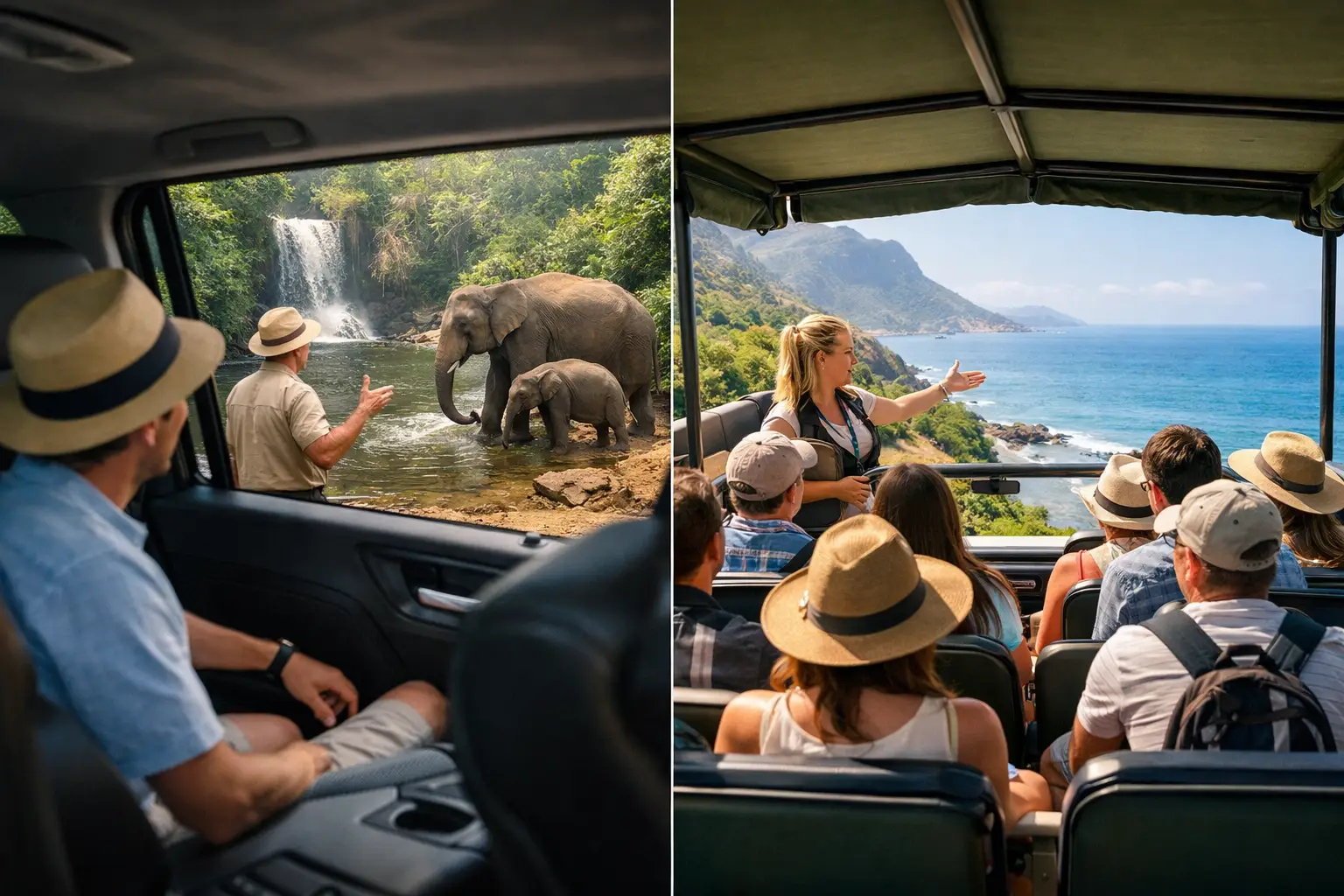
Safari mornings begin before sunrise for a reason. Animals are often active in the cooler hours, birds are vocal, and the soft light makes the landscape especially beautiful. You may stop for coffee in a safe area, then continue scanning riverbeds, grasslands, and thickets for movement.
Afternoon drives begin later, usually with a refreshment stop around sunset. After dark, the guide may use a spotlight where regulations allow, revealing nocturnal animals such as genets, civets, owls, and possibly leopard. Sightings can never be guaranteed, including the Big Five: lion, leopard, elephant, buffalo, and rhino. A good guide does not promise a checklist. They read tracks, listen to alarm calls, explain the ecosystem, and make every drive worthwhile, whether you find a lion pride or spend time watching dung beetles at work.
Bring neutral-colored layers, a warm outer layer for open vehicles, sunscreen, a hat, insect repellent, and binoculars if you have them. Camera batteries deserve more attention than most travelers give them. Long drives, early mornings, and hundreds of photographs can drain a phone or camera quickly.
Plan the Cape Town and Kruger Combination Carefully
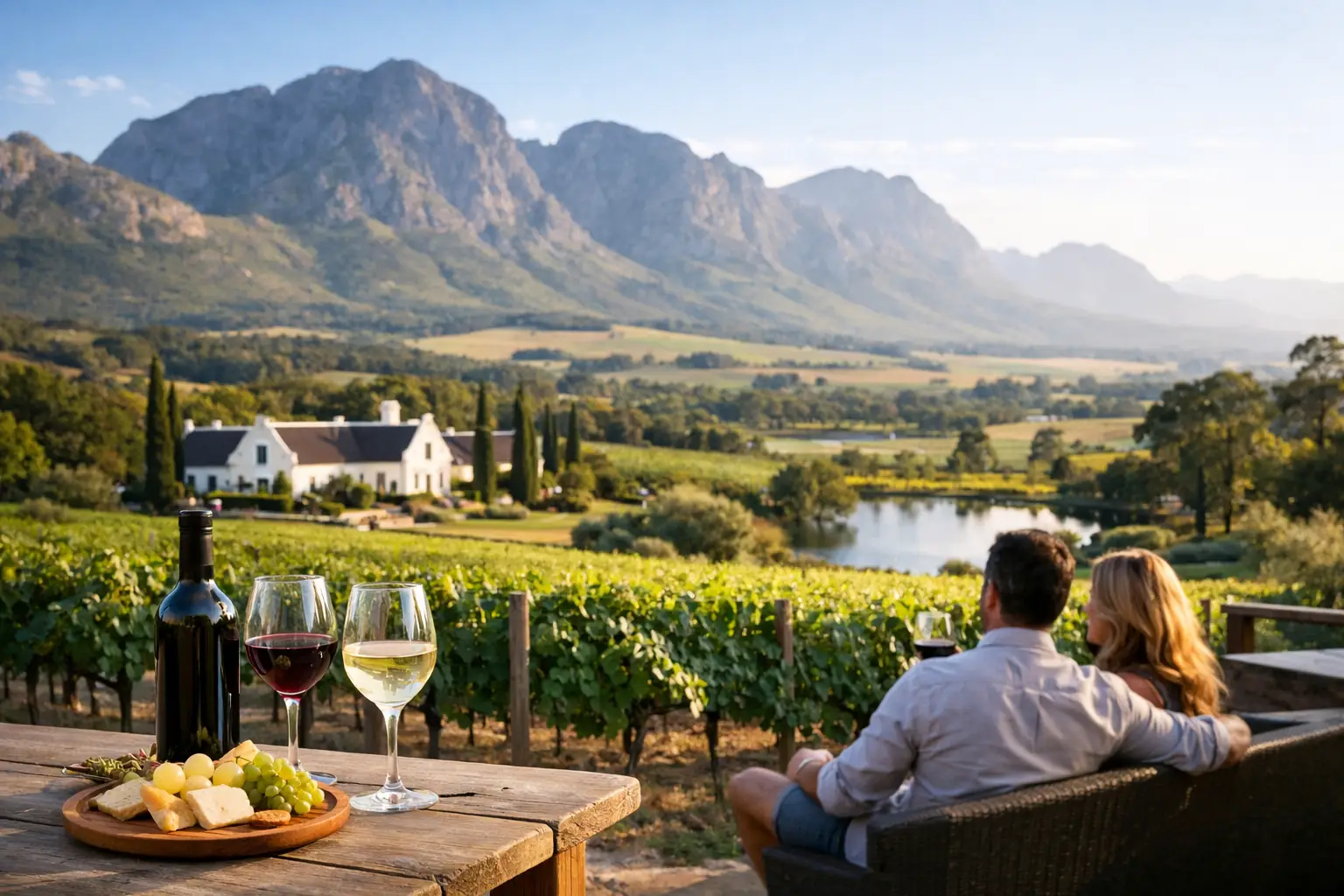
Cape Town and Kruger offer very different kinds of travel. Cape Town rewards full-day sightseeing: a Cape Peninsula route may include Chapman's Peak, Cape Point, and Boulders Beach, while the Winelands calls for a relaxed tasting itinerary with a designated driver. Kruger runs on early mornings, fixed gate times, and periods of quiet between drives.
For that reason, avoid booking a late-night Cape Town event immediately before an early safari flight. Build in one calm evening, pack before bed, and confirm luggage limits for smaller aircraft or light-air transfers. Soft-sided bags are sometimes required, and a large suitcase may be inconvenient even when technically allowed.
It is also wise to keep at least one buffer night in Cape Town before an international departure, particularly if your safari ends with regional flights and transfers. Weather, flight schedules, and seasonal demand can affect connections. A little extra time protects the rest of your vacation.
Booking Details That Prevent Last-Minute Problems
Before confirming your tour, ask exactly what is included: airport transfers, domestic flights, park or conservation fees, meals, drinks, game drives, and scheduled activities. Check whether children are allowed on every drive, as some lodges have age limits or separate family vehicles. Travelers with mobility requirements should discuss vehicle access, walking distances, and room layouts before booking.
Season also changes the experience. The drier months generally make wildlife easier to spot around water sources and through thinner vegetation. The greener summer months bring dramatic skies, migratory birds, young animals, and occasional afternoon rain. There is no bad safari season, but the best fit depends on whether your priority is classic Big Five viewing, birdlife, photography, or a quieter lodge atmosphere.
A Cape Town-based team such as Flexi Tours can help coordinate the local side of a wider South African journey, including hotel transfers and sightseeing before you depart for safari. For the Kruger portion, the most useful itinerary is one that matches flights, transfer times, lodge check-in, and game-drive departures rather than treating each booking as a separate task.
Give Kruger enough time to surprise you. A well-paced safari leaves room for the moments no itinerary can schedule: elephants at a waterhole, a lion's distant roar before dawn, or a quiet sunset with nothing between you and the bush but the sound of birds settling for the night.
Planning your Cape Town trip?
Let Flexi Tours build your itinerary. Tell us your dates, group size and where you're staying.